
When you walk into a venue, the vibe says a lot before the first card is dealt. A smart casino dress code is less about stiff collars and more about showing you understand the room, the pace, and the people running it. I’ve spent years building wagering products that have to read a room before they can read a player, and the same instinct applies here: dress for the game, not for the brochure. The right fit keeps you comfortable through a long arvo, signals you’re there to play properly, and stops you from looking like you wandered in off a beach without thinking it through.
Why a smart casino dress code actually matters
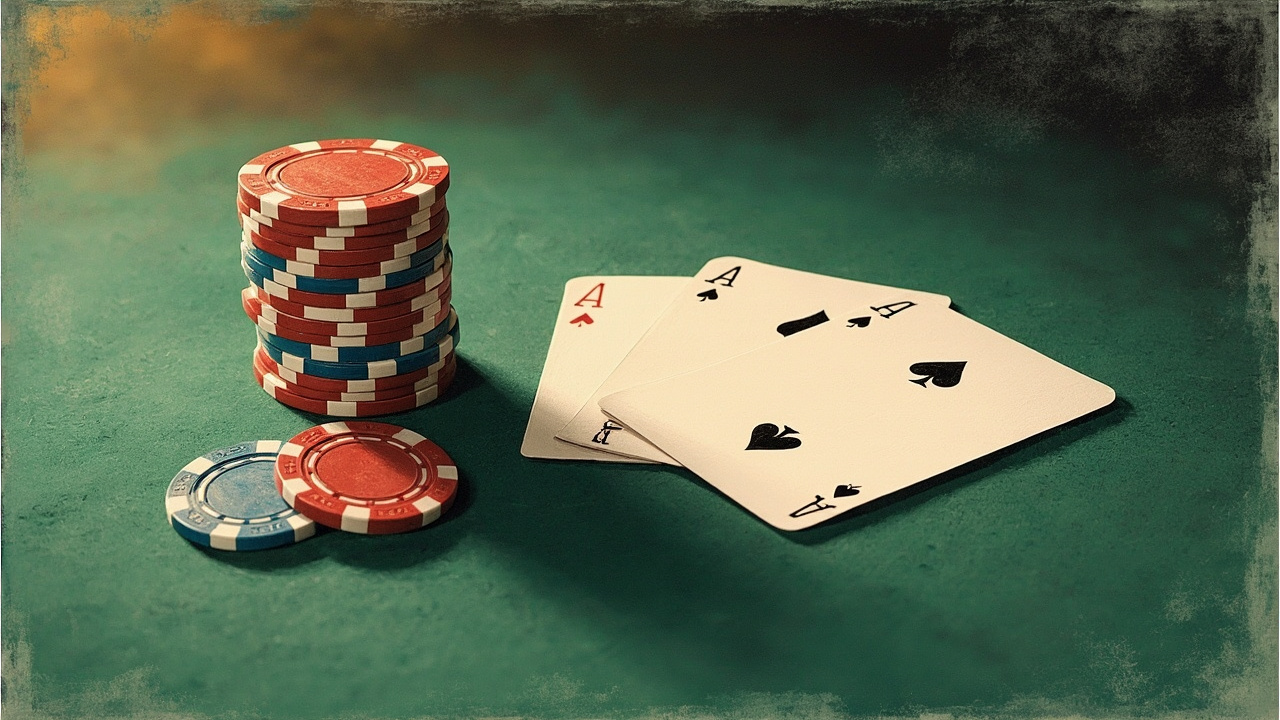
A smart casino dress code is not about gatekeeping; it’s about matching the tempo of the floor. In a well-run room, staff move faster when guests look like they know the rhythm, and that pace pays off in clarity, not ego. I’ve sat in rooms where a jacket and clean shoes changed the way a table treated a new face, not because anyone was snobbish, but because it signaled you’d done the homework. That’s the same judgement call I make when a product has to decide whether a player is a genuine regular or a first-timer who needs a steadier hand. The dress code is part of the onboarding, plain and simple.
The trick is to treat it like a practical constraint, not a costume. A collared shirt, neat trousers or a dark skirt, and footwear that lets you stand for an hour without muttering about it will carry you through most rooms. If you’re heading out from Cairns for a night session, the humidity is real and the air-con can swing hard, so layers that breathe matter more than a stiff look. I’ve seen enough operators over-engineer the vibe and lose the crowd; the ones that last treat the floor like a workspace where people come to concentrate, not a photo set.
How to nail the look without overthinking it
The practical baseline
Start with a clean, simple silhouette and leave the flashy bits for another night. A polo or button-down, dark denim or chinos, and a jacket you can take off when the room warms up covers most situations. Shoes matter more than people admit: you’re on your feet, you’re shifting between tables, and you don’t want to be the person limping to the bar at midnight. I’ve run retention programs where the first impression shaped whether a player came back, and the same logic holds here – a look that says you’re ready to stay for a session is worth more than one that says you’re trying too hard.
Keep accessories quiet and functional. A watch that tells time, not a billboard, and a wallet that doesn’t clatter through the chair are small details that add up. If you’re carrying a jacket, keep it light; a heavy layer in a warm room is just a problem waiting to happen. The point is to look assembled, not overdressed, so you can focus on the game instead of your collar.
What to leave out
Skip the beach wear, the worn-out thongs, and anything that reads like you just rolled out of a nap. A smart casino dress code is about restraint, not a uniform, so leave the loud prints and slogans at home. I’ve seen venues where the staff had to spend half the night managing the vibe because guests treated the floor like a party room; that’s a different crowd and a different night. If you’re unsure, lean conservative and add one piece that feels like you, rather than building the whole look around it.
There’s also the etiquette side: a room where people are concentrating doesn’t want a phone on speaker or a jacket draped over three chairs. Dress for the space you’re actually in, not the one you imagined on the drive over. That’s the same kind of call I make when a product has to decide how much friction to put in front of a new sign-up; too much and you lose them, too little and the room turns messy.
Matching the dress code to what you actually want from the night
A smart casino dress code should line up with the session you’re planning, not some generic idea of a night out. If you’re there for a focused run at the tables, comfortable layers and quiet shoes beat a sharp look that pins you to one chair. If you’re mixing in a meal and a few hands before heading back to Cairns, a slightly sharper top and a jacket you can shed later gives you range without the fuss. I’ve built products where the same player wanted two different experiences on the same login, and the answer was always the same: give them a setup that flexes, not one that locks them in.
Think about the room you’re walking into and the pace you want to set. A venue that runs a steady, well-managed floor rewards guests who look like they’re there to play properly, and that reward is usually in the form of clearer service and a calmer table, not a free drink and a pat on the head. If you’re weighing how a venue handles its crowd, it’s worth checking how the room feels at different hours, because the same dress code can read differently when the lights are up and the room is busy as. For a closer read on how a venue treats its regulars, it can help to compare notes on Perth gambling forums, where slow service and mixed signals get flagged fast.
There’s a compliance angle here too, one I’ve had to weigh in product reviews and licence work. A room that enforces a sensible standard is usually a room that thinks about its obligations, and that matters when you’re trusting it with your time and your bankroll. Class actions have challenged pokie design as allegedly misleading, and that same scrutiny applies to the way a venue presents itself: the polish on the surface should match the discipline underneath. If a place looks sharp but runs loose, the dress code is just theatre. If it looks sensible and runs clean, you’ve got a better read on the night.
What to take from this
A smart casino dress code is a small, practical choice that shapes how the night runs. Dress for comfort, read the room, and leave the gimmicks out of it. If you want a clean starting point for a session that feels right from the first hand, you can grab a stellar spins casino free chip and treat the night like a proper run rather than a fashion test. The question I’d put back to you is this: when you walk into a room, do you dress for the game you want to play, or the one you think you’re supposed to play?